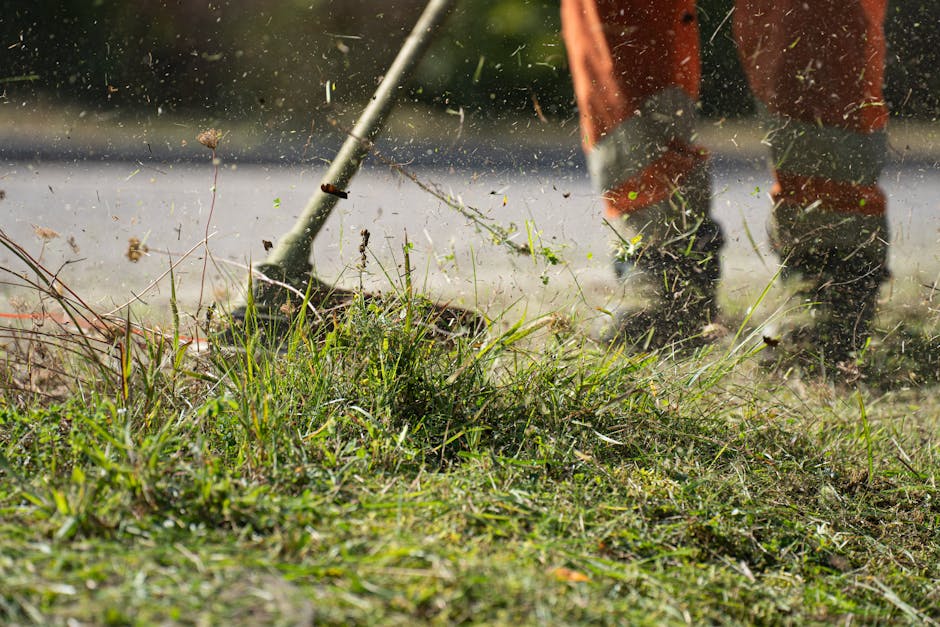
Snaresbrook Station gardeners for patios and borders
If your patio feels tired, your borders look a bit awkward, or the whole garden has lost its shape, you are not alone. In a place like Snaresbrook, where homes often balance compact urban plots with just enough outdoor space to make a real difference, the right gardening help can completely change how a garden feels day to day. Snaresbrook Station gardeners for patios and borders is really about more than planting and paving. It is about creating a space that works in real life: easy to keep tidy, pleasant to use, and robust enough to handle London weather, shade, foot traffic, and the odd burst of neglect. Truth be told, a patio and its borders can make or break the whole garden.
Whether you want a low-maintenance seating area, smarter planting around the edges, or a full refresh that makes the garden feel bigger, this guide walks through the practical side of getting it right. You will find what the service involves, how a good gardener approaches the job, what to avoid, and how to judge whether the work is worth doing now or later. If you are exploring local support more broadly, it may also help to look at our gardening services and the wider options for garden maintenance in London.
Table of Contents
- Why Snaresbrook Station gardeners for patios and borders Matters
- How Snaresbrook Station gardeners for patios and borders Works
- Key Benefits and Practical Advantages
- Who This Is For and When It Makes Sense
- Step-by-Step Guidance
- Expert Tips for Better Results
- Common Mistakes to Avoid
- Tools, Resources and Recommendations
- Law, Compliance, Standards, or Best Practice
- Options, Methods, or Comparison Table
- Case Study or Real-World Example
- Practical Checklist
- Conclusion
- Frequently Asked Questions
Why Snaresbrook Station gardeners for patios and borders Matters
Patios and borders are the parts of a garden that people notice first. They also do most of the everyday work. A patio takes the chairs, the table, the barbecues, the plant pots, the muddy shoes, and the morning coffee. Borders soften the hard edges, bring colour through the seasons, and stop a paved space from feeling cold or overdone. In a busy East London setting, that balance really matters.
Gardening near Snaresbrook Station often means dealing with practical constraints that are easy to underestimate. There may be shade from mature trees, narrow side access, mixed soil quality, or homes where the garden is visible from neighbouring properties. A skilled gardener will think about all of that before lifting a trowel. They will also consider how people actually use the space. Not just how it looks on day one, but how it will look in three months, after a wet spell, after pruning, and after a couple of summers of enthusiastic use.
There is also a very simple reason this topic matters: a well-planned patio and border scheme can make a modest garden feel calmer, tidier, and more expensive without being flashy. That is often the sweet spot. Not showy. Just good. And to be fair, that is what most homeowners want.
For readers comparing broader outdoor improvement support, it may be useful to browse our landscaping services and driveway and hardscape options if your project is likely to extend beyond planting alone.
How Snaresbrook Station gardeners for patios and borders Works
The work usually starts with a site visit or a clear phone consultation. A good gardener will ask about the current condition of the patio, what the borders are doing now, and what you want the space to feel like. That conversation matters more than people think. A border designed for soft shade and year-round structure is very different from one built for bright colour and summer impact.
From there, the process normally includes three linked parts:
- Assessment - checking drainage, levels, sun and shade, soil type, existing plant health, and the condition of paving or edging.
- Planning - choosing the right layout, materials, and planting combinations for the space and the amount of maintenance you want.
- Implementation and aftercare - clearing old growth, improving soil, planting, mulching, edging, sweeping, and setting out a maintenance rhythm.
If the patio itself needs work, the gardener may suggest cleaning, re-pointing, lifting and relaying loose slabs, replacing broken edging, or improving drainage around the edges. If the borders need attention, they may thin out overcrowded perennials, add structure with shrubs, introduce seasonal colour, or rebuild the border line so it sits neatly against the patio.
Good patio-and-border work is rarely about one dramatic change. It is more often a series of small, intelligent improvements that add up. One new edge here. Better spacing there. A plant that thrives instead of sulks. The difference can be surprisingly big.
For more detail on how seasonal upkeep supports these improvements, see seasonal gardening care and the practical advice in garden maintenance in London.
Key Benefits and Practical Advantages
The real value of hiring experienced help for patios and borders is not just appearance. It is usability, longevity, and fewer headaches later. A neat border edge stops soil spilling on to paving. The right plant choices reduce constant deadheading. Better layout makes the patio easier to clean and use. Those little wins matter week after week.
Practical advantages often include:
- Cleaner lines and better structure - patios look sharper when borders are proportioned well.
- More seasonal interest - planting can be planned so the garden does not peak for only two weeks in June.
- Lower maintenance pressure - sensible plant selection can reduce constant chasing and replanting.
- Improved drainage awareness - small fixes at border edges can reduce splashback and standing water.
- Better privacy and comfort - border height and planting density can make a seating area feel more enclosed without feeling boxed in.
There is also a less obvious benefit: the garden starts to feel finished. Many gardens are technically usable but visually unsettled. A few mismatched pots, a ragged edge, one border that keeps escaping into the patio - it all adds up. Fixing that can be oddly satisfying. Almost calming, even on a windy Tuesday when the neighbour's leaf blower is making its usual noise.
Who This Is For and When It Makes Sense
This kind of service is a good fit for homeowners, landlords, busy professionals, and anyone who wants a reliable garden without committing to constant hands-on maintenance. It also suits people who have recently moved and are trying to make sense of an inherited garden that has a bit of everything and not always in a helpful way.
You may be a good candidate if:
- your patio is functional but looks tired or uneven
- your borders are overgrown, patchy, or difficult to maintain
- you want a more polished look before hosting or selling
- you do not have the time, tools, or confidence to redesign the area yourself
- you want planting that works with shade, paving, and limited space
Sometimes people wait too long because they assume the job is cosmetic. In reality, border problems often spread. Weeds creep in. Soil levels drop. Patio edges become messy. Then the area starts to feel like a chore every time you step outside. If that sounds familiar, it may be worth acting sooner rather than later.
For older or more established gardens, a thoughtful refresh can work better than a full reset. For newer spaces, small adjustments can prevent expensive mistakes. Either way, the goal is the same: a garden that feels manageable and enjoyable, not a project hanging over you.
Step-by-Step Guidance
If you are planning work on patios and borders, it helps to think in a clear sequence. That keeps decisions manageable and reduces the risk of buying the wrong materials or planting the wrong thing in the wrong place. Small mistake, big nuisance. Happens all the time.
1. Start with the patio surface
Look for loose slabs, poor drainage, algae build-up, weeds in joints, and any edges where soil is spilling over. A patio does not need to be pristine, but it should be safe, stable, and easy to keep clean. If the paving is sound, a professional clean and re-point can do a lot.
2. Measure the border properly
Border shape affects everything. Narrow borders dry out quickly and can look thin; overly deep borders may become difficult to reach. A well-proportioned border gives plants room to grow without swallowing the path or patio. In tight London gardens, that balance is a real skill.
3. Decide what the garden needs to do
Do you want colour, privacy, structure, scent, pollinator support, or low maintenance? You can have more than one of these, of course, but not all plants excel at all jobs. Lavender loves sun and good drainage. Ferns do not. Hydrangeas can be excellent in the right conditions, yet not every border suits them. The point is to match the plant to the place.
4. Improve the soil before planting
London gardens can be a mixed bag below ground. Some are heavy and sticky. Others are dry and tired. A gardener may add compost, organic matter, or mulch depending on what the border needs. This is not glamorous work, but it is the bit that helps plants settle properly.
5. Plant in layers
A good border usually has structure at the back or centre, seasonal interest in the middle, and lower plants or edging at the front. This gives the border depth and stops everything looking flat. Think of it like arranging a room. One height only can feel dead dull.
6. Finish with edging and mulching
Clean edges make a patio and border scheme look intentional. Mulch helps reduce weeds, holds moisture, and gives the border a finished appearance. It is one of those small jobs that makes a garden look cared for almost immediately.
7. Set a realistic maintenance rhythm
Even low-maintenance gardens need some attention. A monthly tidy-up may be enough for some patios and borders, while others need more regular deadheading, pruning, or sweeping. The key is to make the routine fit your life, not the other way round.
Expert Tips for Better Results
There are a few practical habits that tend to separate a garden that just looks fine from one that feels genuinely well planned. They are not flashy, but they work.
- Choose structure first, colour second. Borders with evergreen shrubs or lasting shapes hold the space together even when flowers fade.
- Keep paving simple if planting is rich. Busy surfaces and busy planting can fight each other. One of them should breathe.
- Use repeated plants. Repetition creates calm. A border with too many one-off plants can feel noisy and a bit lost.
- Think about sight lines from inside the house. In many homes, the garden is experienced through a window long before you step outside.
- Leave room for maintenance access. If you cannot comfortably reach the back of the border, it will become annoying. Fast.
One simple tip that gets overlooked: photograph the garden from several angles before and after work. Not for vanity, just because it helps you spot what still needs adjusting. A patch that looks fine from the door may look bare from upstairs. Very normal.
If you want to keep the space looking sharp through the seasons, combine routine care with occasional specialist help. For many homeowners, a steady plan works better than a big one-off burst followed by silence. We have seen that pattern enough times to know it is true.
Common Mistakes to Avoid
Most patio-and-border problems are avoidable. The trouble is they often look small at the start. A border is a little too narrow, a plant is a bit too large, and suddenly you are pruning every weekend or stepping through mud to reach the corner.
- Planting without enough space - plants need room to mature, not just fit on planting day.
- Ignoring drainage - waterlogged borders and puddling near patios create damage and mess.
- Mixing too many styles - random paving, random edging, random planting. It all starts to look accidental.
- Choosing high-maintenance plants for a low-maintenance goal - lovely plants can still be the wrong plants.
- Forgetting access for pruning and cleaning - beautiful corners can turn into awkward corners very quickly.
- Skipping soil improvement - honestly, this is one of the most expensive shortcuts people take.
A common local scenario is the small rear garden that has been half-improved over time: a new patio here, a few border plants there, maybe some leftover gravel at the side. Individually none of it is disastrous. Together, it can feel disconnected. A good gardener helps turn that patchwork into something coherent. That coherence is worth a lot.
Tools, Resources and Recommendations
You do not need a shed full of specialist kit to maintain a patio and border scheme, but the right tools save time and prevent damage. If you are handling small jobs yourself, a modest toolkit is enough. If the work is more involved, a professional team will usually have the equipment for clearing, cutting, edging, and cleanup.
| Task | Useful tools or materials | Why they help |
|---|---|---|
| Patio cleaning | Stiff brush, patio cleaner, pressure washer used carefully | Removes algae, dirt, and build-up without damaging joints |
| Border tidying | Secateurs, border spade, hand fork, gloves | Makes pruning, weeding, and shaping more precise |
| Soil improvement | Compost, mulch, organic matter | Improves moisture retention and plant establishment |
| Edge definition | Half-moon edger, edging strip, metal or brick edging | Creates cleaner lines and reduces soil spill |
| Plant support | Canes, ties, plant rings, small stakes | Keeps taller plants upright in windy or exposed spots |
For broader planning, it can help to use trusted local service pages that explain scope clearly. A good starting point is patio cleaning services if the hard surface needs attention, or hedge trimming support if borders are being overshadowed by larger boundary planting.
You may also want to compare tree surgery guidance where tree roots, shade, or overhanging branches are affecting border health. Not every patio problem is actually a patio problem.
Law, Compliance, Standards, or Best Practice
For most patio and border work, the main issue is not heavy regulation, but sensible best practice. Still, a trustworthy gardener should work carefully and keep safety in mind, especially where tools, ladders, waste removal, or near-public access are involved.
Good practice usually includes:
- working safely around paving, edges, and slippery surfaces
- disposing of green waste responsibly
- checking whether any trees, roots, or boundary issues need specialist attention
- avoiding damage to shared boundaries, fences, or neighbouring planting
- using suitable plants and materials for the site conditions, not just for appearance
If your garden is affected by mature trees, a conservation area, shared access, or neighbour-facing boundaries, it is wise to check local requirements before making major changes. That may not sound thrilling, I know, but it can save awkward conversations later. For structural or larger-scale changes, a reputable team should be able to explain what falls within routine garden work and what may need additional checking.
In practical terms, the best standard is simple: the work should be safe, durable, and appropriate to the site. If it feels rushed or opaque, ask more questions. A decent professional will not mind.
Options, Methods, or Comparison Table
Not every garden needs the same kind of help. Some patios need a quick reset. Others need a proper redesign. The right approach depends on the current state of the space, your budget, and how much maintenance you are prepared to take on afterwards.
| Approach | Best for | Pros | Trade-offs |
|---|---|---|---|
| Light tidy-up and planting refresh | Gardens that are mostly sound but untidy | Quick improvement, lower disruption, affordable | Won't solve deeper structural issues |
| Patio clean plus border re-edging | Spaces that feel messy around the edges | Sharp visual change, practical maintenance benefits | May still need planting improvements later |
| Border rebuild and replanting | Overgrown, bare, or badly proportioned borders | Longer-lasting, better structure, stronger seasonal interest | Takes more planning and aftercare |
| Full patio and border redesign | Gardens with multiple layout or drainage issues | Most comprehensive result, best for long-term use | More involved and usually more time-intensive |
As a rule, if the patio is safe and the borders are the main visual issue, a targeted planting and edging project may be enough. If the paving is uneven, drainage is poor, and the borders are failing, a wider redesign is usually the smarter investment. A bit more planning now often saves a lot of patchwork later.
Case Study or Real-World Example
Here is a realistic example from the kind of garden people often have near Snaresbrook Station: a modest rear patio with a narrow border running along one side, a few tired shrubs, patchy soil, and some paving that had gone green after a wet spring. Nothing dramatic. Just a garden that had quietly slipped from decent into irritating.
The first step was not planting. It was clearing. Dead material came out, the border was redefined, and the patio edge was cleaned so the line between hard and soft landscaping became visible again. That alone made the space feel larger. Then the border was rebuilt with a mix of structure and seasonal interest, using plants suited to the available light. A mulch layer finished the job and helped the border hold moisture better.
What changed most was not just the look. It was the feeling. The patio became somewhere the homeowner wanted to sit, not just cross on the way to the back door. The border stopped dropping soil on to the paving. Maintenance became simpler because the planting plan matched the conditions rather than fighting them.
That is the key point, really. Good garden work does not shout. It settles in. Then one day you realise you have stopped noticing the mess, because there isn't much mess left.
Practical Checklist
Use this checklist before booking work or starting a garden refresh. It keeps the process grounded and helps you brief a gardener properly.
- Confirm what you want the patio to do: dining, relaxing, pot display, or simple circulation
- Measure border lengths and note any very narrow or awkward areas
- Check how much sun the space gets during the day
- Look for drainage issues, puddling, or soft soil
- Identify any plants you want to keep
- Note where the garden is most visible from inside the house
- Decide whether you want low-maintenance, high-impact, or a balanced scheme
- Set a realistic maintenance level for the months ahead
- Ask about waste removal and aftercare
- Consider whether any nearby trees or hedges are affecting light and space
Quick takeaway: the best patio-and-border projects are the ones that fit the garden you actually have, not the one in your head on a sunny Sunday morning. That sounds obvious, but it really is where the best results come from.
Conclusion
Choosing the right help for patios and borders near Snaresbrook Station is about turning an outdoor space into something calm, practical, and genuinely usable. The best results usually come from careful assessment, realistic planning, and planting that suits the site instead of fighting it. When those pieces line up, even a small garden can feel more generous and much easier to live with.
If your patio needs sharpening, your borders need structure, or the whole space just feels a bit off, start with a clear look at what is working and what is not. Then build from there, one sensible step at a time. No drama. Just good gardening, done properly.
Get a free quote today and see how much you can save.
And if you are still weighing up the next move, that is fine too. A well-planned garden does not need to happen all at once. Sometimes the first honest look is the most useful part.
Frequently Asked Questions
What do gardeners near Snaresbrook Station usually do for patios and borders?
They typically clean, edge, plant, prune, mulch, and tidy the space so the patio and border work together visually and practically. In some cases, they will also help with drainage or minor surface repairs if the patio edge is causing problems.
Is this service better for small gardens or larger ones?
It works well for both, but it is especially useful in smaller gardens where every square metre matters. A smart border layout can make a compact patio feel less boxed in and more finished.
How often should patios and borders be maintained?
That depends on the planting and use of the space. Some gardens only need a light monthly tidy, while others need more regular weeding, deadheading, and sweeping during the growing season.
Can a gardener help if the patio is slippery or stained?
Yes, often they can. A professional may suggest cleaning methods, algae removal, re-pointing, or more suitable aftercare. If the surface is badly damaged, they may recommend a specialist paving service instead.
What planting works best beside a patio in a London garden?
That depends on sun, shade, and soil, but many people choose a mix of structure and seasonal colour. Hardy shrubs, reliable perennials, and a few softer planting accents are usually a safer bet than purely decorative plants with high demands.
Do borders need rebuilding if they are overgrown?
Not always. Sometimes a deep cut-back, soil improvement, and a revised planting plan are enough. But if the border has become too crowded, too bare, or badly shaped, rebuilding may give a much better long-term result.
How do I know whether to refresh or redesign the garden?
If the layout is sound and the issues are mostly visual or maintenance-related, a refresh may be enough. If there are drainage, proportion, access, or structural issues, a redesign is often the more sensible choice.
Will patio and border work make my garden lower maintenance?
It can, if the plant choices and materials are chosen carefully. Low-maintenance does not mean no maintenance, though. It usually means less frequent, more predictable work.
What should I ask before hiring someone for patio and border work?
Ask what is included, how they handle waste, what plant choices they recommend for your conditions, whether they can improve edging or drainage, and what aftercare will be needed. Clear answers are a good sign.
Are there any local issues around Snaresbrook that affect garden design?
Like many parts of London, Snaresbrook gardens can face shade, narrow access, neighbouring boundaries, and mixed soil conditions. Those factors do not stop a good design, but they do shape it. A thoughtful gardener will plan around them from the start.
Can I keep some existing plants and still improve the border?
Absolutely. In many cases, keeping healthy, well-placed plants is the smartest thing to do. Reworking the border around strong existing plants can save money and preserve the garden's character.
How long does it take to see a real difference?
Often the visual difference is immediate after tidying, edging, and replanting. The full improvement usually appears over the following weeks and seasons as the planting settles in. That part is worth waiting for, honestly.