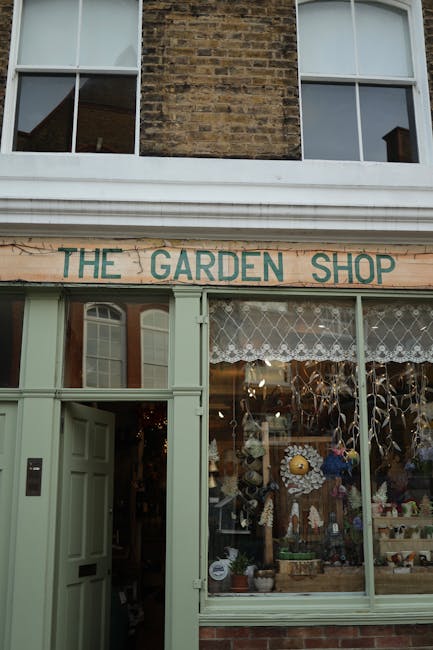
Wanstead High Street commercial garden services for shops
If you run a shop on or near Wanstead High Street, the outside of your business is doing more work than you might think. A tidy frontage, healthy planters, and seasonal colour can make a place feel welcoming before anyone even opens the door. That is where Wanstead High Street commercial garden services for shops come in: practical, regular, business-focused planting and maintenance that keeps your exterior looking cared for, day after day.
For many retailers, the challenge is simple enough. You want the frontage to look good, but you do not have the time, tools, or in-house know-how to keep it that way. A commercial garden service bridges that gap. It helps shops stay presentable, protects the look of the street, and supports the customer experience in a way that is easy to underestimate until you notice the difference on a wet Tuesday morning. In our experience, the businesses that keep on top of outdoor planting often look more settled and more trustworthy, even when the weather is doing its usual London thing.
This guide explains what commercial garden services for shops typically include, why they matter on Wanstead High Street, how the service works, and what to look for before you commit. It also covers common mistakes, compliance considerations, and a practical checklist you can use straight away.
Table of Contents
- Why Wanstead High Street commercial garden services for shops Matters
- How Wanstead High Street commercial garden services for shops Works
- Key Benefits and Practical Advantages
- Who This Is For and When It Makes Sense
- Step-by-Step Guidance
- Expert Tips for Better Results
- Common Mistakes to Avoid
- Tools, Resources and Recommendations
- Law, Compliance, Standards, or Best Practice
- Options, Methods, or Comparison Table
- Case Study or Real-World Example
- Practical Checklist
- Conclusion
- Frequently Asked Questions
Why Wanstead High Street commercial garden services for shops Matters
High streets live or die on first impressions. A shopfront with clean lines, well-kept planters, and plants that actually look alive sends a message before a customer even touches the door handle. It says the business is attentive. It says somebody cares. And on a busy local street, that can make a real difference to footfall and trust.
Wanstead High Street has the kind of mix where presentation matters a lot: independent shops, cafes, services, and local businesses that rely on repeat trade as much as passing trade. A neglected trough of bedding plants or a planter full of tired compost can make the whole frontage feel a bit off. Not disastrous. Just off. And that small negative impression can linger.
Commercial garden services are not just about "making things pretty". They support the wider retail environment in a practical way. Healthy planting can soften hard paving, reduce the harshness of a blank facade, and help a shop feel welcoming in every season. On a street where people are walking by, glancing in windows, and making quick decisions, those details matter more than many owners expect.
There is also a reputational angle. A well-maintained exterior suggests reliability. If a business keeps the outside in order, customers often assume the inside will be cared for too. Fair or not, that is how people think. It's human, really.
For businesses that want a broader view of how exterior upkeep supports retail presence, it can help to look at the wider commercial gardening services picture, not just the visible plants. Maintenance, timing, watering, pruning, and seasonal changes all sit underneath that neat-looking frontage.
How Wanstead High Street commercial garden services for shops Works
Most shop-focused garden services follow a simple pattern: assess the site, agree the look and maintenance level, then keep it looking consistent. The detail is where the value lives. A good provider does not just "pop in and tidy up". They plan around weather, footfall, frontage size, and the type of planting that will survive real-world conditions.
Typical service stages
- Site review - The provider looks at light levels, container sizes, wind exposure, access, and how much visible impact the frontage has.
- Planting plan - They recommend plants suited to the location, such as robust evergreens, seasonal colour, or low-maintenance combinations.
- Initial installation - Containers, soil, compost, and plants are installed or refreshed.
- Ongoing maintenance - This may include watering, deadheading, pruning, feeding, pest checks, and replacing tired plants.
- Seasonal updates - Displays are changed so the frontage stays relevant and tidy through the year.
The best commercial garden services are responsive. They understand that a shopfront on a windy corner behaves differently from one tucked into a sheltered parade. They also understand timing. If the street gets busy at lunchtime, maintenance might be scheduled for quieter hours so you are not dodging watering cans while customers are trying to get in.
If your business already uses other property maintenance support, a joined-up approach works well. For instance, some shop owners coordinate planting with lawn care or general grounds upkeep at nearby premises, so the whole site feels consistent rather than piecemeal.
And yes, there is usually a conversation about budget. Commercial garden care can be simple and restrained, or more elaborate if the shopfront needs a stronger visual statement. The right answer depends on your brand, your frontage, and how much upkeep you can realistically commit to. Truth be told, a modest display maintained properly often beats a bigger one left to struggle.
Key Benefits and Practical Advantages
Let's face it: nobody wants to look at a sad planter full of straw-like stems and think, "that is my business image". The right service keeps the outside looking sharp, and the benefits are broader than aesthetics alone.
1. Stronger curb appeal
Healthy planting creates a better first impression. That matters for new customers, casual passers-by, and returning regulars who notice when a shop keeps itself in good order.
2. More consistent presentation
Plants need regular attention. Without it, even a good display can unravel quickly. Commercial services keep things consistent so the frontage does not swing from impressive to neglected in a matter of days.
3. Better use of space
Small shopfronts often have awkward corners, narrow pavements, or limited planting zones. A commercial gardener can make the most of those spaces without creating clutter or obstructing access.
4. Seasonal relevance
Spring, summer, autumn, and winter all call for different planting choices. A good seasonal rotation keeps the frontage feeling alive rather than stuck in one weather mood all year.
5. Reduced stress for shop owners
You already have enough to juggle: stock, staff, customers, suppliers, deliveries, the usual daily surprises. Outsourcing the planting side removes one more thing from the list. Small relief, big difference.
6. Cleaner, safer entrances
Overgrown planters can make entrances awkward. Spilled soil, blocked pathways, or poorly placed containers can become trip hazards. Keeping the space managed helps keep access straightforward.
A practical summary? The right exterior planting service helps your shop look open for business, not just technically open. That distinction matters. It really does.
Expert takeaway: For shops, commercial garden services work best when they are treated as part of frontage management, not as decorative extras. Think visibility, safety, seasonal consistency, and easy upkeep.
Who This Is For and When It Makes Sense
This kind of service is a strong fit for shops that rely on appearance as part of the customer journey. If people are walking by and deciding in seconds whether to come in, then the outside deserves proper attention.
It is especially useful for:
- independent retailers with visible frontage
- cafes and delicatessens with outdoor planters or seating edges
- salons, boutiques, and specialist shops that benefit from a polished look
- businesses in mixed-use parades where neighbouring premises influence perception
- leasehold tenants who need a neat frontage without taking on full grounds maintenance themselves
- shop owners who want seasonal displays but do not have gardening expertise in-house
It also makes sense when the shopfront is showing signs of life becoming a bit uneven. Maybe the plants are too dry by Friday. Maybe the planters are patchy. Maybe winter has left everything looking tired and you are not sure what to do next. That is usually the point where professional help starts to pay for itself in time, consistency, and fewer headaches.
If you manage more than one site, the need becomes even clearer. A regular maintenance plan keeps standards aligned across branches. For broader premises support, some business owners also look at grounds maintenance so shopfront care fits into a wider property routine.
There are times when a lighter-touch approach is enough. If your frontage only has a couple of containers and minimal exposure to the street, occasional refreshes may be all you need. But if people see your exterior every day, and especially if you trade in a visually competitive stretch, a structured service is usually the smarter choice.
Step-by-Step Guidance
If you are considering commercial garden support for a shop on Wanstead High Street, a sensible process keeps things manageable. No mystery, no unnecessary jargon. Just clear decisions in the right order.
Step 1: Define the job
Start with the basics. Do you need planting only, or planting plus regular maintenance? Do you want seasonal displays, evergreen structure, or a mix? Do you need help with one frontage or multiple containers? The clearer you are, the better the advice will be.
Step 2: Walk the site properly
Look at the space in daylight and, if possible, again later in the day. Notice sun, shade, wind, visibility, and where customers naturally pass. A plant that looks lovely in a brochure may struggle in a draughty, north-facing corner.
Step 3: Choose planting that suits the reality
Commercial frontage planting needs to survive real conditions, not ideal ones. Durable species, sensible container sizes, and the right compost matter. Maintenance should be matched to how much time the site will actually get.
Step 4: Set a schedule
Agree how often visits should happen. Weekly, fortnightly, or seasonal support all have different uses. The key is consistency. A display that is checked regularly will usually look better than a dramatic one that is left alone.
Step 5: Decide who handles watering and quick checks
This is one of the most common gaps. If plants dry out between visits, the whole display suffers. Clarify whether the provider waters, whether staff do it, or whether a combined arrangement is needed.
Step 6: Review after the first few weeks
Once the service is live, check what is working. Are the colours right? Are the planters visible but not cluttering the entrance? Are customers stepping around them comfortably? Small adjustments early on save a lot of fuss later.
And here is a simple truth: good exterior planting should not feel like hard work every day. If it does, something in the setup probably needs adjusting.
Expert Tips for Better Results
There are a few habits that separate a decent frontage from one that quietly stands out. Nothing flashy. Just careful choices and a bit of discipline.
Choose fewer, better containers
Two well-proportioned planters usually look better than six awkward ones. Too many containers can make a small shopfront feel cramped. Space matters.
Prioritise structure as well as colour
Bright seasonal flowers are lovely, but they can disappear quickly once the weather turns. Mix in evergreen or architectural plants so the display still has shape when the colour softens.
Plan for busy periods
If your shop is busiest at certain times, schedule maintenance around that. A good provider will understand that a dripping watering can and a queue of customers are not ideal companions.
Think about sightlines from the street
What people see from six or ten metres away matters more than what you notice up close. A display should support the entrance, not hide it.
Keep a backup approach for bad weather
Wind, heat, and sudden cold snaps can all change how containers behave. It helps to have a plan for replacements or temporary adjustments rather than hoping the plants will just tough it out. They rarely do.
Use maintenance as a brand signal
A neat shopfront can quietly reinforce your wider brand. If your business values quality, care, or a premium feel, the exterior should say the same thing. Not in an obvious way. Just enough.
If you already work with a team for related maintenance tasks, there is value in reviewing the wider garden maintenance approach so the shop exterior does not become an afterthought.
Common Mistakes to Avoid
A lot of frontage problems are surprisingly avoidable. The trouble is, they creep in slowly. One week things look fine, and a month later the planters are too dry, the soil is compacted, and the whole setup feels a bit tired.
Picking plants for looks only
That glossy, eye-catching plant may not cope with the actual site conditions. Always choose for exposure, watering needs, and maintenance level first.
Ignoring access needs
Planters should not obstruct entry, delivery routes, bins, or customer flow. A pretty display is no help if it becomes a nuisance.
Setting and forgetting
Even low-maintenance displays need attention. Commercial planting is not a one-off purchase, however much everyone would like it to be.
Overcrowding the frontage
Too much foliage or too many containers can make a small shop look busier than it should. Balance is better than volume.
Not planning for winter
Many shop owners think about planting in spring and then more or less stop there. Winter is when a frontage can look especially bare if there is no structure in place.
Leaving responsibility vague
If nobody is clearly responsible for watering, deadheading, or spotting decline, the plants will tell the story. Usually loudly, and with yellow leaves.
Sometimes the fix is simple, almost embarrassingly so. A better watering rhythm, one larger planter instead of three small ones, or just a more realistic plant choice can transform the result.
Tools, Resources and Recommendations
You do not need a shed full of kit to manage a commercial frontage, but a few sensible tools and systems make life easier. For shop owners, the real resource is usually a reliable plan, not a pile of gadgets.
Useful tools and materials
- Self-watering containers for sites where daily watering is difficult
- Quality compost and slow-release feed to support healthier growth
- Watering cans or hose access where staff are responsible for quick top-ups
- Pruners and snips for small tidy-ups between service visits
- Weather-tolerant plant choices suited to the specific frontage
- Simple maintenance notes so anyone helping on site knows what has been done
Recommendations are best kept practical. If your frontage gets little natural shelter, go for hardier planting and containers that will not blow around easily. If your shop is shaded for much of the day, choose plants that cope with low light rather than chasing a sunny-border look that will fade fast. It sounds obvious, but people get this wrong all the time.
For premises that need a broader visual refresh, you may also want to coordinate with fencing or boundary treatments where relevant, because a planter looks better when the backdrop is in decent shape too.
Law, Compliance, Standards, or Best Practice
For shopfront garden services, compliance is usually less about complex regulation and more about sensible, responsible working practices. That said, there are still important points to keep in mind.
Access and public safety
Any planting or maintenance work near a public pavement should be done carefully so customers and passers-by can move safely. Containers should be stable, and tools, water, or loose soil should not be left where people can trip or slip.
Waste handling
Green waste, old compost, and removed planting material should be collected and disposed of properly. Keeping the site tidy after a visit is part of the service, not an extra.
Lease and landlord permissions
If your shopfront sits within a managed property or lease agreement, check whether external planting changes need approval. This is especially relevant if containers are fixed, signage is nearby, or there are shared access areas.
Local appearance and neighbouring businesses
On a shared high street, the practical standard is often common sense and respect for the street environment. No one wants a frontage that spills into the path of pedestrians or competes badly with neighbouring access points.
Professional best practice
Good providers work neatly, communicate clearly, and avoid overpromising. They should explain what can realistically be maintained, how often it needs attention, and what will happen if weather or access issues cause delays. That kind of straightforwardness is worth a lot.
If you are arranging services across a larger site, it can help to understand the overall approach to landscaping so new features, existing planting, and maintenance expectations all line up sensibly.
Options, Methods, or Comparison Table
Different shopfronts need different levels of support. The right choice depends on visibility, budget, and how much time you can realistically spend on upkeep.
| Option | Best for | Advantages | Trade-offs |
|---|---|---|---|
| Occasional refresh | Small frontage, light use, limited budget | Simple, low commitment, easy to start | Less consistent, can fade quickly without follow-up |
| Seasonal planting | Shops wanting a fresh look several times a year | Good visual impact, aligns with changing weather | Needs planning and periodic replacement |
| Regular maintenance plan | Busy shopfronts and visible high-street locations | Consistent appearance, better plant health, less stress | Higher ongoing commitment |
| Full frontage package | Multiple planters, branding-led premises, premium look | Strong presentation, coordinated finish | More involved to manage, may require more budget |
In practice, many shops do best with a seasonal plus maintenance model. It gives the frontage enough change to stay fresh without turning the whole thing into a constant project. That is usually the sweet spot.
Case Study or Real-World Example
Picture a small independent shop on Wanstead High Street. The frontage has two planters either side of the entrance, but by late summer they are patchy, a little dry, and not really doing the business any favours. Customers still come in, of course, but the outside does not match the care shown inside.
A commercial garden service reviews the site and notices three simple issues: the planters are too small for the exposure, the plant mix is too flower-heavy for the shaded side, and nobody has a clear watering schedule after Thursday. Nothing dramatic. Just the usual quiet problems that build up.
The solution is practical. The planters are refreshed with a tougher mix of structural planting and seasonal colour, the compost is replaced, and a simple maintenance rhythm is agreed. A small top-up of bark helps retain moisture. The result is not flashy. It just looks settled, healthy, and intentional.
That is the useful bit. The shop does not need a dramatic transformation. It needs a frontage that looks reliable on a Monday morning, a rainy afternoon, and a busy Saturday when people are walking past with coffee in one hand and keys in the other.
Practical Checklist
Use this quick checklist before you book or review a commercial garden service for your shop.
- Do we know exactly which areas need planting or maintenance?
- Have we checked sun, shade, wind, and access conditions?
- Are the containers the right size for the site?
- Do the plants suit the real conditions, not just the look we want?
- Is there a clear watering plan?
- Will maintenance visits avoid peak customer times?
- Do we understand what is included in the service?
- Are waste removal and tidy-up included?
- Have permissions or lease conditions been checked if needed?
- Is the planting style aligned with the shop's brand and frontage?
- Do we know how seasonal changes will be handled?
- Is there a review point after the first few visits?
If you can tick most of those off, you are in a good place. If not, that is fine too. Better to notice now than after a display has already started slipping.
Conclusion
For shops on Wanstead High Street, commercial garden services are about more than neat containers and a splash of colour. They shape how a business feels from the pavement. They help customers trust what they see. And they take one more practical job off your plate, which, frankly, is no small thing.
The best approach is simple: choose planting that suits the site, agree a realistic maintenance plan, and keep the frontage aligned with the way your shop actually trades. Do that well, and the outside starts working with the business instead of quietly against it.
When the street looks cared for, your shop feels cared for too. That is the small difference that people notice, even if they never quite say it out loud.
Get a free quote today and see how much you can save.
Frequently Asked Questions
What do commercial garden services for shops usually include?
They usually include planting, container setup, watering support, pruning, deadheading, feeding, replacement planting, and seasonal refreshes. Some services also include waste removal and light clean-up around the frontage.
How often should a shopfront be maintained?
That depends on the plants, the weather, and how visible the frontage is. Busy high-street shops often benefit from weekly or fortnightly checks, while simpler displays may only need seasonal attention plus occasional top-ups.
Can a small shop still benefit from commercial planting?
Yes, absolutely. Small frontages can benefit a lot from carefully chosen planters and a tidy maintenance plan. In some cases, a small, well-kept display makes more impact than a larger one.
What plants work best for shops on a high street?
The best plants are usually hardy, visually tidy, and suited to the exact conditions outside the shop. Evergreen structure, seasonal colour, and plants that tolerate wind or shade tend to work well.
Is shopfront planting expensive to maintain?
It can be as modest or as involved as you choose, but the cost usually depends on how many containers you have, how often they are serviced, and whether plants are replaced seasonally. A smaller, well-planned scheme often keeps costs sensible.
Do I need permission to add planters outside my shop?
Sometimes, yes. It depends on lease terms, property management rules, and whether the containers affect shared access. It is wise to check before installing anything permanent or bulky.
What happens in winter when plants look tired?
A good service plans for winter in advance with hardy planting, evergreens, or structure-led displays. The aim is to keep the frontage neat and balanced rather than bare and forgotten.
Can staff water the plants between visits?
They can, and in many cases that helps a lot. The key is to make sure someone is actually responsible. Shared responsibility sounds fine until everyone assumes someone else did it.
How do I choose between seasonal planting and regular maintenance?
If your frontage changes quickly or gets heavy foot traffic, regular maintenance usually makes more sense. If you only want periodic refreshes and have less exposure, seasonal planting may be enough. Many shops use a mix of both.
Will garden services make my shop look more inviting?
They often do, yes. A cared-for frontage tends to feel warmer and more trustworthy, especially on a street where people are making quick decisions. It is not magic, but it is close enough on a grey day.
What should I ask before hiring a provider?
Ask what is included, how often they will visit, who handles watering, how they manage replacements, whether waste removal is included, and how they adapt to seasonal changes. Clear answers usually mean a better fit.
Can commercial garden services help with branding?
Yes. The choice of colours, planter style, and planting structure can support a shop's identity. Subtle, consistent exterior care often strengthens brand perception without shouting about it.