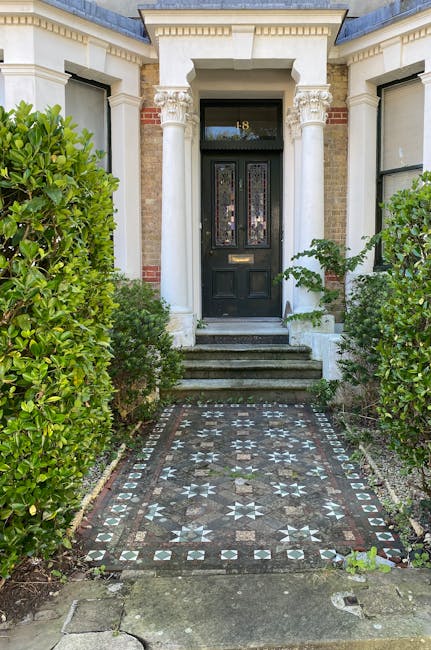
Wanstead Park garden services for private front gardens: a practical guide for homeowners
Private front gardens do a lot of quiet work. They shape the first impression of a home, soften the street view, and, if they are looked after well, make coming back in the evening feel a little nicer. But front gardens also have a habit of sliding from "fine" to "slightly untidy" without much warning. One week the hedge is crisp, the next the edging has gone fuzzy and the weeds are making themselves at home. That is exactly where Wanstead Park garden services for private front gardens become genuinely useful.
This guide explains what front-garden care usually includes, how the service works, who it suits, and what to look for if you want reliable results without fuss. It also covers practical details like safety, seasonal maintenance, and how to compare service options properly. If you are trying to decide whether to handle it yourself or bring in help, you are in the right place.
Quick takeaway: a well-run front garden service is not just about mowing. It is about creating a neat, safe, and easy-to-manage space that stays presentable all year, without turning your weekends into hedge-cutting sessions.
Table of Contents
- Why Wanstead Park garden services for private front gardens Matters
- How Wanstead Park garden services for private front gardens Works
- Key Benefits and Practical Advantages
- Who This Is For and When It Makes Sense
- Step-by-Step Guidance
- Expert Tips for Better Results
- Common Mistakes to Avoid
- Tools, Resources and Recommendations
- Law, Compliance, Standards, or Best Practice
- Options, Methods, or Comparison Table
- Case Study or Real-World Example
- Practical Checklist
- Conclusion
- Frequently Asked Questions
Why Wanstead Park garden services for private front gardens Matters
Front gardens are different from back gardens. They are more visible, more exposed, and usually less forgiving. You see every missed edge from the pavement. Visitors see it. Neighbours see it. More importantly, you see it every day when you pull in, unlock the gate, and walk up to the door.
In Wanstead Park, where many homes have a traditional London frontage and a fairly tight relationship between path, planting, and pavement, tidy outdoor presentation matters a great deal. A front garden can be small and still make a strong impression. The reverse is also true. A small patch of overgrown grass or a hedge that leans a bit too far can make the whole property feel less cared for, even when the rest of the home is perfectly maintained.
There is also the practical side. Front gardens often include narrow borders, small lawns, steps, paths, bins, gates, and sometimes awkward corners around bay windows or boundary walls. These spaces are easy to neglect because they look manageable at first glance. Then the job gets fiddly. Suddenly a "quick tidy" becomes a half-day project involving shears, a mower, a rake, and a surprising amount of patience.
Good garden services help prevent that spiral. They keep the space under control, protect planting from being overcut, and make sure the garden stays usable rather than merely survivable. That sounds simple, but it saves time and stress in a very real way.
For homeowners who want a broader view of available support, the services overview is a useful place to start. It helps you see how front-garden maintenance fits alongside other routine outdoor care.
How Wanstead Park garden services for private front gardens Works
Most front-garden maintenance services begin with a short assessment. The garden is looked at as a working space, not just a visual one. That means checking lawn condition, hedge shape, access, boundary edges, paving, waste removal, and any features that need careful handling. A mature shrub that looks harmless from the street, for example, may need a completely different approach once you stand beside it and see how dense it has become.
A typical service cycle might include mowing, edging, weeding, light pruning, hedge trimming, leaf clearance, and general tidy-up work. For some properties, the main focus is simply keeping the front lawn sharp and the borders neat. For others, it is more about periodic shaping, especially where a hedge or shrub line can get out of hand quickly in spring and early summer. Let's face it, plants do not politely stop growing because the calendar is inconvenient.
The work is usually scheduled weekly, fortnightly, or seasonally depending on growth rate and the level of finish you want. A small front garden with modest planting might only need light recurring attention. A more established frontage with shrubs, climbers, or mixed borders can benefit from a more structured plan.
Good providers will also think about access and security. Front gardens are visible, so tools and materials should be managed tidily, gates closed properly, and any waste removed or stacked safely. That sounds basic, but basic done well is what keeps a service feeling professional.
Where payment, scheduling, and communication matter, it helps to know the practical side too. You can review pricing and quotes before committing, and if you want reassurance around how information and transactions are handled, the page on payment and security is worth reading.
Key Benefits and Practical Advantages
A well-managed front garden delivers more than just "nice kerb appeal", though that is part of it. The real advantages are a mix of appearance, convenience, and long-term plant health.
- Cleaner first impressions: a neat frontage makes the whole property feel more cared for.
- Less weekend maintenance: regular help stops chores from piling up into a big job.
- Healthier plants: correct cutting and pruning are better than rushed trimming with blunt tools.
- Safer access: tidy paths, edges, and overgrowth reduce clutter near entrances.
- More consistent presentation: the garden stays in a maintained state rather than swinging between tidy and unruly.
- Better seasonal handling: leaf fall, spring growth, and summer dry spells are managed more smoothly.
There is also a quiet wellbeing benefit that people do not always mention. Walking past a front garden that looks clean and balanced just feels better. A clipped hedge, fresh edging, and a border with a bit of structure can make even a rainy morning feel less grim. It is a small thing, but not really small at all.
If sustainability matters to you, ask about clippings, green waste, and how organic matter is handled. Many homeowners prefer a service that is thoughtful about disposal and recycling. The recycling and sustainability page gives a helpful sense of how environmentally aware garden care can be approached in a practical way.
Another advantage is continuity. A regular visit means someone notices changes early: fungal patches in turf, a shrub beginning to block a path, or a hedge that has outgrown its line. Spotting things early tends to save time and money. Not always dramatic money, just the annoying sort that disappears from your pocket quietly.
Who This Is For and When It Makes Sense
This kind of service suits a surprisingly wide range of households. Some people hire help because they are busy. Others do it because the front garden is small but awkward. Others again have the time, but not the tools, strength, or patience for repetitive maintenance. Truth be told, all of those are valid reasons.
You may benefit from front-garden services if:
- your front garden is the first thing people see and you want it kept presentable;
- you have hedges, shrubs, or borders that need regular shaping;
- you struggle to keep up with seasonal growth;
- your property has limited access or a narrow layout that makes DIY awkward;
- you are preparing a home for viewings, guests, or a sale;
- you simply want less gardening hassle in your weekly routine.
It also makes sense for landlords and property managers who want a dependable external appearance without constant reminders from tenants or neighbours. A small front garden can drift quickly if nobody is assigned to it, and once it drifts, it becomes harder to reset.
For homeowners with mobility concerns, stoops, steps, or uneven paving, regular professional care can be more than a convenience. It can reduce the risk of awkward lifting, bending, or handling tools in a tight space. If accessibility is part of your decision, there is useful information on the accessibility statement page as well.
And if you are the kind of person who likes to keep an eye on service standards before booking, that is sensible too. A company that is open about how it works usually makes the whole process easier from the start.
Step-by-Step Guidance
If you are trying to organise front-garden maintenance properly, a simple structure helps. Here is a practical way to think about it.
- Walk the garden slowly. Look at the lawn, borders, hedges, edging, paths, and any spots where growth is crowding the space.
- Separate routine tasks from occasional tasks. Mowing and light weeding may be regular work. Hedge shaping or seasonal pruning may be less frequent.
- Decide the finish you want. Some homeowners want a crisp, formal look. Others prefer neat but softer planting. Be clear about that.
- Check access and hazards. Note gates, uneven steps, hidden drains, low walls, cables, or anything delicate near the working area.
- Ask about waste handling. Do you want cuttings removed, composted, or left for your own disposal? Make it clear in advance.
- Set a schedule that matches growth. Spring and early summer usually need more attention than late winter.
- Review the result after the first visit. Good services improve fast when expectations are clear. A short conversation after the first cut often makes later visits smoother.
For many people, the first visit is the most important one. It establishes the rhythm. It also shows how the garden responds, which is often more useful than a rigid plan. A small front lawn on a shaded street-facing plot will behave differently from one getting direct sun all afternoon.
If you want a better sense of broader service scope before starting, it can help to revisit the service overview and think about whether you need just maintenance or a wider tidy-up package.
Expert Tips for Better Results
There are a few simple habits that make a front garden look better for longer. None of them are glamorous. All of them matter.
Keep the edges sharp
Edges make a front garden look intentional. Even when the lawn is small, a crisp edge along a path or border gives definition. It is a bit like ironing a shirt collar. Small detail, big effect.
Do not overcut the lawn
Cutting too short can make grass look weak, especially in dry spells or shade. A slightly higher finish is often healthier and more forgiving. This is one of those jobs where restraint usually wins.
Trim hedges before they become a nuisance
Once a hedge starts blocking light, narrowing the path, or brushing against cars and passers-by, the job becomes harder. Regular shaping is cleaner than occasional rescue work.
Treat front borders as part of the view line
In a private front garden, plants are seen from the street as much as from the house. That means the outer face of a border matters. A border that looks fine from one angle but ragged from another may need some gentle rebalancing.
Plan around the season, not the mood
Growth comes in waves. Spring can be lively, summer can be brisk, and autumn brings leaves everywhere. A seasonal rhythm saves more work than waiting until things look "bad enough".
One practical tip from experience: if you have a small front garden, keep a short list of recurring issues. The same three weeds, the same hedge corner, the same patch of thin grass. Those repeated trouble spots are usually the key to a proper maintenance plan.
If service quality and safety are priorities, the pages on health and safety policy and insurance and safety are useful references. They help set expectations in plain terms.
Common Mistakes to Avoid
Front gardens do not usually fail because of one huge mistake. They slide because of lots of little ones. That is the honest version.
- Leaving maintenance too long: overgrowth is always more expensive, in time and effort, than steady upkeep.
- Using the same approach in every season: winter tidying is not the same as spring growth control.
- Ignoring access points: gates, path edges, and steps matter because they shape how the whole garden reads.
- Cutting shrubs too hard: some plants cope, some do not, and the wrong cut can leave gaps for months.
- Forgetting waste removal: a tidy garden can still feel messy if bags of cuttings are left behind.
- Choosing purely on price: cheap work that needs redoing is not actually cheap. Annoying, yes. Cheap, no.
There is also a social mistake that happens more often than people admit: assuming the garden "looks fine" from the kitchen window, so it must be fine from the street. It often isn't. Front-facing spaces are unforgiving like that.
If a problem keeps returning, do not just trim around it. Ask why it is happening. Shade, poor drainage, compacted soil, or an over-enthusiastic shrub may be the real issue. Small diagnosis, better outcome.
Tools, Resources and Recommendations
A good maintenance routine uses the right tools for the job, not just whatever is nearest the shed door. For private front gardens, the essentials are usually straightforward:
- a reliable mower for the lawn or lawn strip;
- shears or hedge trimmers for shaping;
- hand tools for weeding and edging;
- gloves and protective eyewear where needed;
- bags or containers for green waste;
- basic cleaning tools for paths and steps after the work is done.
For homeowners who prefer to outsource everything, the practical "resource" is a service provider who handles the detail well and communicates clearly. That means arriving on time, checking access, removing waste properly, and not treating a front garden like a rushed afterthought. You can see the broader support framework on the services overview page, which is useful if you are comparing what a standard visit might include.
A couple of simple recommendations make life easier:
- keep a note of preferred visit frequency;
- take one or two photos of the garden in its best state for reference;
- flag any fragile pots, lights, or ornaments before work begins;
- store house keys or access instructions securely if needed;
- ask how feedback is handled if something is not quite right.
If you prefer to understand the business side first, the pages on pricing and quotes and payment and security are worth a look. They help clarify the process before you book.
Law, Compliance, Standards, or Best Practice
For most private front gardens, the main concerns are not legal complexity but sensible, responsible working practices. Still, best practice matters. In the UK, homeowners and contractors should think carefully about safe use of tools, careful handling of waste, and respect for boundaries and access.
Where a service provider is involved, it is reasonable to expect clear communication about insurance, public safety, and how work is carried out. That does not need to be dramatic. It just needs to be sensible. If someone is trimming near a pavement, a path, or a shared boundary, they should work in a way that avoids creating avoidable risk. Common sense really does earn its keep here.
Waste handling is another area where good habits matter. Green waste should not be dumped casually, and if recycling or composting is offered, it should be done properly. The recycling and sustainability page gives a useful indication of how that responsibility can be approached.
If you are comparing providers, look for clear policy pages rather than vague promises. The presence of a health and safety policy, insurance and safety information, and a complaints procedure usually signals a more structured, accountable service. That is reassuring, and frankly it should be.
There is also a wider ethical side to service delivery, including labour standards and responsible business practice. If you want to see how a company frames those commitments, the modern slavery statement provides an example of that kind of transparency.
Options, Methods, or Comparison Table
Not every front garden needs the same level of care. Below is a simple comparison to help you decide what suits your situation.
| Approach | Best for | Strengths | Limitations |
|---|---|---|---|
| DIY maintenance | Very small gardens, low growth, confident gardeners | Flexible, direct control, low cash outlay | Time-consuming, tool-dependent, easy to delay |
| Occasional tidy-up visits | Properties that only need periodic intervention | Good for seasonal resets, useful before events or viewings | Can let small issues build between visits |
| Regular scheduled service | Front gardens that need consistent presentation | Predictable, neat appearance, less stress | Ongoing cost, needs clear communication |
In practice, the best option depends on how much you value consistency. DIY is fine if you genuinely enjoy it and have time. Occasional visits work well if the space is simple and the growth is manageable. Regular scheduled maintenance tends to be the smoothest option for front gardens that are highly visible or structurally awkward.
If you are unsure, start with a short-term arrangement and review the result after a few visits. That way you see how the garden responds before committing long term. Sensible, not flashy.
Case Study or Real-World Example
Imagine a modest private front garden in Wanstead Park: a narrow lawn, a small hedge line, one shrub bed, and a paved path leading to the door. Nothing wild. Nothing dramatic. But after a wet spring, the grass has thickened unevenly, the hedge has started to press into the walkway, and weeds are pushing through the border edge.
At first glance, the garden looks like a "quick job". In reality, it needs a sequence: edge clearing, a careful mow, hedge shaping, border weeding, and a tidy-up of the path so the entrance feels open again. The first visit takes a little longer because the space needs resetting. After that, the same garden becomes much easier to manage, because growth is being controlled before it starts to interfere.
That is the pattern with most front gardens. The visible improvement is nice, but the bigger win is that the maintenance burden drops. The owner stops thinking about it every weekend. The space just behaves better. Simple, really. And a bit satisfying, too.
In a case like this, a short conversation about finish level also helps. Some homeowners want a crisp, almost formal look. Others want a softer, greener feel with tidy edges but less rigid shaping. Neither is wrong. The best service adapts to the property and the person who lives there.
Practical Checklist
Use this checklist before arranging front-garden maintenance or comparing service options.
- Do I want regular upkeep or just a one-off tidy?
- Which features matter most: lawn, hedge, borders, paving, or all of them?
- Are there any access issues, fragile items, or safety concerns?
- Do I want waste removed after the visit?
- How often does the garden actually need attention through the year?
- Have I reviewed pricing, quote details, and payment expectations?
- Do I know who to contact if I want to change the schedule?
- Have I checked the provider's safety and insurance information?
- Do I want a neat finish, a more natural look, or something in between?
- Have I thought about sustainability and recycling preferences?
A quick checklist like this stops assumptions creeping in. That alone can save a lot of awkward back-and-forth later.
Practical summary: the best front-garden service is not the one that simply "cuts things back". It is the one that keeps the space easy to live with, neat to look at, and straightforward to maintain over time.
Get a free quote today and see how much you can save.
Conclusion
Wanstead Park garden services for private front gardens are really about making everyday life smoother. A front garden should feel welcoming, manageable, and in step with the home it belongs to. When it is maintained properly, the whole property feels more settled. When it is neglected, you notice immediately.
The good news is that front-garden care does not need to be complicated. With a sensible plan, clear expectations, and a provider who understands the difference between a quick trim and proper maintenance, you can keep the space looking sharp without turning it into a chore that follows you around. That is the real value here.
If you are weighing up your options, start with the basics: what needs doing, how often, and what level of finish you want. Then check the practical pages on pricing and quotes, health and safety policy, and services overview so you can make a confident decision. Small steps, taken properly, usually lead to the best result.
And if you want the short version: a tidy front garden is one of those quiet comforts that makes a house feel cared for before anyone even opens the door.
Frequently Asked Questions
What do Wanstead Park garden services for private front gardens usually include?
They usually include mowing, edging, weeding, hedge trimming, light pruning, leaf clearance, and general tidy-up work. The exact mix depends on the garden and how often it is maintained.
How often should a private front garden be serviced?
That depends on growth, layout, and the look you want. Many front gardens benefit from weekly or fortnightly visits during the growing season, then less frequent attention in quieter months.
Is a front garden service worth it for a small space?
Yes, often more so than for larger gardens. Small front gardens can become messy quickly, and because they are visible from the street, even minor neglect is easy to spot.
Can I ask for just hedge trimming or just lawn care?
Usually, yes. Many homeowners prefer a focused service, especially if the garden only has one or two recurring issues. It is worth saying exactly what you need at the quoting stage.
What should I check before booking a garden service?
Check what is included, how waste is handled, whether the provider has clear safety information, how payments work, and whether they offer a complaints process if something goes wrong.
How do I know if my front garden needs professional help?
If you keep putting it off, if it takes too long to tidy, or if the garden always looks a bit untidy no matter what you do, professional help is probably sensible. Sometimes it is less about ability and more about time.
What happens if my front garden has awkward access?
A good provider will assess access in advance and plan accordingly. Narrow gates, steps, and tight paths are common in London front gardens, so this should be discussed clearly before work begins.
Are green waste and clippings removed?
Often they are, but not always. You should confirm this before the visit so there is no confusion afterwards. If sustainability matters to you, ask how waste is recycled or composted.
How much does front-garden maintenance cost?
Prices vary with garden size, complexity, frequency, and the amount of work required. A neat, low-maintenance frontage is usually more economical than a heavily overgrown or awkward one. For accurate figures, request a quote.
Is there any safety or insurance information I should look for?
Yes. It is sensible to review a provider's insurance and safety details before booking, especially if work involves tools, ladders, sharp edges, or access near paths and entrances.
Can front garden services help improve kerb appeal before selling a home?
Absolutely. A tidy front garden can make a property feel better cared for at first glance, which is valuable when preparing for viewings or marketing photos.
What if I am not happy with the result?
Look for a provider with a clear complaints procedure so issues can be handled properly. A professional service should be open to feedback and willing to put things right where needed.
Do I need to be home during the visit?
Not always. Some services can be carried out with access instructions agreed in advance. If keys, gates, pets, or security are involved, it is best to confirm the arrangements beforehand.
What is the biggest mistake homeowners make with front gardens?
Leaving maintenance too long. Once a front garden gets away from you, it takes more time to restore and more money to keep it looking right. Regular, lighter care is nearly always easier.