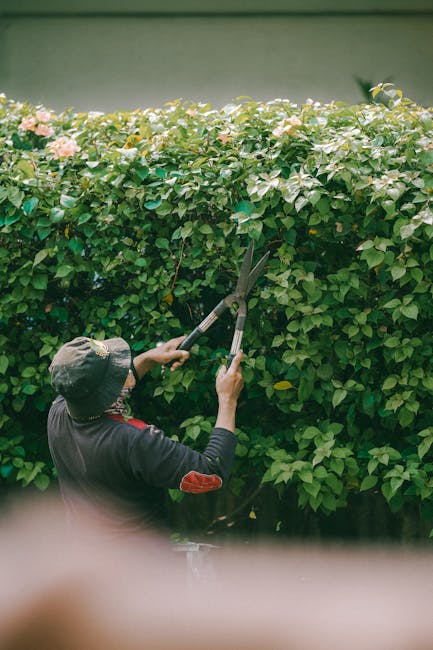
Stop delays booking Wanstead garden maintenance in E11
If you have been meaning to sort the garden and keep putting it off, you are not alone. In Wanstead, E11, gardens have a habit of growing faster than people expect, especially after a wet spell, a busy few weeks, or the sort of winter that leaves everything looking a bit defeated. This guide explains how to stop delays booking Wanstead garden maintenance in E11, what to look for before you book, and how to get the job moving without the usual back-and-forth.
Whether you need routine upkeep, a one-off tidy-up, or help getting an overgrown space back under control, the aim here is simple: make the process easier, faster, and far less stressful. Along the way, you will see where garden maintenance fits alongside related services such as lawn mowing, hedge trimming, and broader garden clearance work. Not every garden needs the same level of attention. That is part of the point.
And to be fair, delays are often caused by very ordinary things: unclear requests, missing photos, vague timing, or trying to fit five garden jobs into one sentence. We can fix that.
Why stop delays booking Wanstead garden maintenance in E11 matters
Garden maintenance is one of those jobs that seems easy to postpone. Then the edges soften, weeds settle in, the lawn gets patchy, and suddenly the whole place feels more demanding than it really is. In E11, where many gardens are compact, visible, and used constantly, small delays can snowball into bigger jobs surprisingly quickly.
The biggest issue is timing. A short delay can turn a manageable tidy-up into a more involved visit. Grass becomes harder to cut evenly, hedges lose shape, and damp debris starts to sit in corners and beds. Once that happens, the work often takes longer, costs more, and needs a different approach. That is not dramatic, just realistic.
It also matters because a tidy garden is not only about appearance. Safe paths, clear access, healthy planting, and controlled growth make everyday use easier. If you have children, pets, older visitors, or simply want to enjoy the space without tripping over neglected bits, prompt booking makes a real difference. The best time to book is usually before the garden becomes a problem. A bit obvious, maybe. Still true.
Practical takeaway: the sooner you book maintenance, the more likely you are to get a simple visit rather than a costly catch-up job.
For homeowners, landlords, tenants, and small property managers in Wanstead, avoiding delays is also a planning advantage. You can line up maintenance around seasons, holidays, move-in dates, or events. That means less disruption and fewer last-minute scrambles when the weather changes or the garden suddenly looks tired after a few weeks of growth.
How stop delays booking Wanstead garden maintenance in E11 works
There is no secret system here. The process works best when you make the request easy to understand and easy to quote. In practice, that means giving enough information for a provider to know what is needed, how urgent it is, and whether the job is routine maintenance or something more involved.
A good booking usually starts with the basics: the garden size, what needs doing, whether access is straightforward, and any areas that need special attention. If there are hedges, borders, a lawn, patio edges, or overgrowth near fences, mention them early. A few clear photos help too. People often assume a quick message is enough, but a little detail saves a lot of time later.
When the scope is clear, the next step is usually a quote or estimate, followed by scheduling. If the work is simple, it may be arranged quickly. If the garden needs clearance first, or if it includes extra tasks such as landscape gardening adjustments or longer-term garden maintenance, the booking may need a fuller assessment. That is normal, not a delay for the sake of it.
Most hold-ups happen in one of three places:
- the customer is not sure what they need yet
- the garden condition is worse than expected, so the job needs re-scoping
- access, timing, or waste removal needs to be clarified before work starts
Once you understand that, the process gets much simpler. It is less about "pushing" for a faster booking and more about removing the uncertainty that causes the back-and-forth in the first place.
Key benefits and practical advantages
Booking promptly gives you more than just a tidy lawn. It helps the whole outdoor space stay under control. That may sound modest, but it adds up fast across the year.
- Less catch-up work: regular attention prevents jobs from stacking up.
- Better presentation: a well-kept garden makes a home feel looked after, which matters if you are selling, renting, or simply living there.
- Healthier plants and turf: consistent care reduces stress on lawns, shrubs, and borders.
- Safer access: paths, steps, and edges are easier to keep clear.
- More predictable scheduling: regular maintenance is easier to fit in than emergency tidying.
There is also a small but important mental benefit. A neglected garden has a way of sitting in the back of your head every time you look out the window. Once booked, that pressure lifts. You can stop mentally carrying the job around. Sounds minor. It is not, really.
If your garden has become a mixed bag of needs, it can help to split the work into parts rather than treating it as one big mystery task. For example, mowing and trimming can be handled alongside a separate clearance visit if the space has gotten away from you. That approach is often quicker to arrange and easier to budget for.
Who this is for and when it makes sense
This kind of booking advice is useful for a wide range of people, not just busy homeowners. In Wanstead, the typical customers tend to fall into a few practical groups.
- Homeowners: people who want a neat garden without spending every weekend on it.
- Landlords: anyone preparing a property between tenancies or keeping it presentable for inspections.
- Tenants: households responsible for outdoor areas and keen to avoid complaints at check-out.
- Older residents: people who prefer help with upkeep rather than heavy lifting, climbing, or repetitive cutting.
- Families: anyone who needs the garden safe, usable, and not full of loose clutter or overgrowth.
It also makes sense if you are dealing with seasonal pressure. Spring growth can appear all at once, summer schedules get crowded, and autumn leaves can make a neat garden look neglected in no time. If your outside space is already edging into "needs attention now" territory, that is usually the moment to book, not the moment to wait and see.
Some people only need a one-off reset. Others need regular visits. There is no single right answer. What matters is matching the booking to the reality of the garden, not to the hope that it will somehow sort itself out. It won't.
Step-by-step guidance
If you want to stop delays booking Wanstead garden maintenance in E11, the easiest route is to make your request specific from the start. Here is a straightforward way to do it.
- Walk the garden first. Look at what genuinely needs doing: mowing, hedge trimming, weeding, edging, clearance, pruning, or a general tidy.
- Separate urgent from optional work. If the front garden needs a quick tidy but the back garden needs a deeper cut-back, say so.
- Take a few clear photos. Wide shots and close-ups help more than long explanations.
- Measure the obvious spaces if you can. Not every customer needs exact dimensions, but basic size helps with planning.
- Check access. Side gates, narrow passages, locked areas, or shared entrances can all affect timing.
- Decide on your preferred timing window. Morning, afternoon, weekday, or weekend? If you can be flexible, mention that too.
- Ask whether waste removal is included. If there is a lot of cut material, this matters. It may also change the type of visit required.
- Confirm the scope before the visit. A short summary avoids awkward surprises on the day.
One simple habit saves a lot of frustration: write your request as if you are explaining the garden to someone who has never seen it. Not overly detailed, just clear. "Small front lawn, hedges need shaping, weeds along the path, rear border overgrown" is far better than "garden needs doing."
If the garden is badly overgrown, ask whether a garden clearance visit is more suitable than standard maintenance. That distinction matters because a maintenance appointment is usually about keeping things in order, while clearance work is about getting the space back to a workable state. Different jobs, different expectations.
Expert tips for better results
After a while, you notice the same patterns. The smoother bookings are nearly always the ones where the customer has done a little prep. Nothing fancy. Just enough to remove friction.
Tip 1: Book before the garden looks urgent. A garden that is starting to get unruly is still easier to manage than one that has fully run away. That gives you better scheduling options and usually a tidier finish.
Tip 2: Keep a note of what happened last time. If the last visit showed that the hedge needed shaping or the lawn had drainage issues, mention it next time. Small details often save a second visit.
Tip 3: Combine related tasks. If the lawn is being cut anyway, check whether edging, hedge trimming, or basic weeding can be bundled in. It is often tidier and more efficient to do them together. Not always, but often enough.
Tip 4: Think seasonally. In the colder months, some gardens need less mowing but more clearing. In warmer periods, growth accelerates and regular upkeep matters more. In other words, the garden's rhythm changes, and your booking should too.
Tip 5: Be realistic about how long "quick tidy" actually takes. A garden can look fine from the kitchen window and still need more work than expected once somebody steps outside with gloves on. Happens all the time.
If sustainability matters to you, ask how green waste is handled and whether materials are sorted sensibly. If you want to read more about practical waste handling and environmental care, the site's recycling and sustainability approach is a useful place to start.
Common mistakes to avoid
Most booking delays are not caused by big disasters. They are caused by small avoidable mistakes. Here are the most common ones.
- Being too vague: "The garden needs a sort-out" is not enough to plan properly.
- Assuming maintenance and clearance are the same: they are not, and the difference affects timing.
- Leaving out access details: narrow side access or locked gates can slow things down.
- Forgetting about waste: a pile of clippings or branches changes the scale of the job.
- Waiting for the perfect time: there usually is not one. There is just now, or later, and later often means more work.
- Trying to squeeze in too much: if the garden needs more than a standard tidy, say so early.
A smaller but surprisingly common mistake is booking only for the visible areas and ignoring the bits that cause the real trouble: alleyways, borders, fence lines, drainage edges, and awkward corners behind sheds. That is where weeds and debris like to hide. A bit sneaky, honestly.
Another one: not checking what you want the outcome to be. Do you want a presentable garden for guests, a long-term maintenance plan, or just a one-off reset? Each answer points to a different booking style.
Tools, resources and recommendations
You do not need a van full of equipment to get a sensible booking moving. But a few simple tools and resources help a lot.
- Phone camera: take wide and close-up photos of problem areas.
- Notes app: list the jobs in order of priority.
- Rough garden measurements: useful for lawns, hedges, and access routes.
- Calendar: check your own availability before you ask for dates.
- Recent photos after bad weather: useful if the garden changes quickly after rain or wind.
For service planning, it also helps to review the business's service range so you know what can be handled in one visit and what might need separate attention. The services overview is a sensible starting point if you are deciding between maintenance, trimming, landscaping, or clearance-related work. If you want to understand how different outdoor tasks fit together, landscaping and landscape gardening may be relevant too, especially for gardens that need more than simple cutting.
For practical budgeting, it can be useful to check the pricing and quotes page before you ask for a visit. Not because every job costs the same - it won't - but because it helps you understand what information is likely to shape the estimate.
Law, compliance, standards, or best practice
Garden maintenance is not usually complicated from a legal standpoint, but best practice still matters. In the UK, property owners, landlords, and managing agents commonly need to think about safety, access, waste handling, and clear communication. If the work involves tools, ladders, lifting, or tree-related tasks, the standard of care should be sensible and cautious.
For example, hedge trimming and tree-related work can involve falling debris, sharp tools, and awkward working positions. That is why it is reasonable to ask about insurance, safety procedures, and what happens if access is limited or conditions are poor. The site's insurance and safety information and health and safety policy are useful references when you want reassurance about how the work is approached.
If there are larger woody plants, unstable branches, or overgrown trees, it may be more appropriate to discuss specialist support such as tree lopping and removal. That is not something to improvise on the day. Better to be careful than clever.
It is also sensible to consider how the provider handles customer information, payment, and service terms. Many people skip these details because they seem dull. Then they regret it later. If you prefer to check those basics in advance, the site pages on payment and security, terms and conditions, and privacy policy give a straightforward picture of those areas.
Finally, if accessibility matters because you need a service to work around mobility needs, narrow access, or step-free considerations, you may also find the accessibility statement worth reading. Best practice is not just about neat grass. It is about making the whole service process workable for real people.
Options, methods, or comparison table
If you are deciding how to approach garden upkeep in E11, it helps to compare the main options side by side. Different gardens need different levels of support. No need to overcomplicate it.
| Approach | Best for | Pros | Possible drawback |
|---|---|---|---|
| Routine garden maintenance | Gardens that just need ongoing care | Keeps growth under control, easier to schedule, usually less disruptive | Not ideal if the garden is already badly overgrown |
| One-off tidy-up | Seasonal resets or pre-event preparation | Quick improvement, useful when life has got in the way | May not stop future delays unless you plan follow-up visits |
| Garden clearance | Neglected or heavily overgrown spaces | Brings a space back into use, clears debris and buildup | More labour-intensive and may take longer to arrange |
| Combined maintenance and trimming | Gardens needing several small jobs at once | Efficient, often neatens the whole area in one visit | Needs clearer scoping so nothing gets missed |
If your garden is halfway between tidy and overgrown, a combination approach is often the best answer. For example, a lawn mow plus hedge trim plus a light clear-up can be much more effective than waiting until all three jobs turn into one big headache. You know the type. The "I'll deal with it next week" garden.
Case study or real-world example
Here is a very typical situation. A Wanstead homeowner had a rear garden that looked acceptable from the door but was slowly slipping out of hand. The lawn was uneven, the hedge had started to spread into the path, and the borders had become cluttered with weeds after several wet weeks. Nothing dramatic. Just enough to feel annoying every time they opened the back door.
At first, they asked for "a general tidy." That was too vague, so the booking stalled while details were clarified. Once they sent a few photos and listed the priorities in order - mow the lawn, shape the hedge, clear the borders, remove clippings - the work became much easier to plan. The garden maintenance visit could then be arranged with the right expectations and enough time allowed.
What made the difference was not pressure. It was clarity.
That is usually the real lesson. People think the delay is because someone is slow to respond, but often it is because the request does not yet describe the job properly. Once the scope is visible, things move faster. Less chasing, fewer assumptions, better result.
Practical checklist
Use this quick checklist before you book. It will save you time and probably a couple of follow-up messages too.
- Decide whether you need maintenance, clearance, mowing, trimming, or a mix.
- Walk the garden and note the problem areas.
- Take clear photos in daylight if possible.
- Check access routes, gates, and any locked areas.
- List any fragile plants, uneven paths, or awkward spots.
- Think about whether waste removal is likely to be needed.
- Choose your preferred timing window.
- Check the provider's service information and pricing guidance.
- Ask about insurance, safety, and how the work will be handled.
- Confirm the scope before the appointment is set.
If you can do just three things, do these: be specific, be ready with photos, and be clear about what outcome you want. That alone removes a lot of friction.
Conclusion
Stopping delays booking Wanstead garden maintenance in E11 is mostly about making the job easy to understand. When the scope is clear, the booking becomes simpler, the quote is more accurate, and the work itself tends to run more smoothly. That is true whether you need a quick tidy, a regular upkeep plan, or a more involved catch-up after a busy season.
In practice, the best results come from treating garden maintenance as a small, steady habit rather than a rescue mission. A little planning now can save a lot of effort later. And once the garden is back under control, you notice it straight away - the cleaner lines, the open paths, the calmer feel when you look out the window. Nice, really nice.
Get a free quote today and see how much you can save.
If you want to learn more about the business behind the service, you can also review the about us page. It is often reassuring to know who you are dealing with before you make the call. Small thing, but it matters.
Frequently Asked Questions
How do I stop delays when booking garden maintenance in Wanstead E11?
The fastest way is to be specific about the work, send clear photos, and explain whether you need routine maintenance or a more involved clearance. Vague requests usually take longer to quote and schedule.
What details should I include when I ask for a quote?
Include the garden size, the main tasks, access information, whether waste removal may be needed, and your preferred timing. A short but clear summary is much better than a one-line request.
Is garden maintenance the same as garden clearance?
No. Garden maintenance is usually about keeping a space tidy and under control, while garden clearance deals with heavier buildup, overgrowth, and debris. If the garden has been neglected, clearance may be more suitable.
How far in advance should I book?
As soon as you can, especially in busy growing seasons. The sooner you book, the easier it is to find a time that suits you and the less likely the job will grow into something larger.
What if my garden is badly overgrown?
Be honest about it. A badly overgrown space may need a clearance-style visit first, then regular maintenance afterwards. That is a common and sensible way to tackle it.
Can I book lawn mowing and hedge trimming together?
Yes, and that is often more efficient. If the tasks are related, combining them can save time and help the whole garden look finished rather than half-done.
Do I need to be home during the visit?
Not always, but it depends on access and how the job is arranged. If the garden is locked or has special instructions, make that clear before the booking is confirmed.
What usually causes booking delays?
Unclear job descriptions, missing photos, access questions, and uncertainty about the level of work needed are the most common causes. Once those are resolved, bookings tend to move more quickly.
How do I know if I need regular maintenance or just a one-off tidy?
If the garden gets messy again quickly, regular maintenance may be the better option. If you mainly need a seasonal reset or pre-event tidy, a one-off visit might be enough.
What should I look for before choosing a provider?
Look for clear service information, sensible pricing guidance, insurance and safety details, and straightforward terms. A provider that explains things well usually makes the whole process easier.
Is it worth checking how green waste is handled?
Yes. It is a small detail, but it helps you understand how the job will be managed and whether the work aligns with your own sustainability preferences.
What if I need help with more than just the garden?
If the space includes larger outdoor features or heavier landscaping needs, you may need a broader service mix. In those cases, it helps to review the available service range and talk through the garden as a whole rather than job by job.